



рулонная наплавка наплавкой
/The production of high-strength ship structural steel demands a meticulous balance between mechanical properties, dimensional accuracy, and surface quality. Among the critical processes involved, temper rolling plays a pivotal role in finalizing the characteristics of the steel before it is cut, shaped, and assembled into maritime vessels. A temper rolling mill , often referred to as a temper mill , is specifically designed to impart the final mechanical and surface properties to the steel strip. Unlike heavy reduction mills, the primary objective of temper rolling is not significant thickness reduction but rather the modification of the steel’s microstructure and surface finish through a process known as soft rolling . This controlled, low-reduction rolling process eliminates discontinuous yielding, improves flatness, enhances surface texture, and ensures consistent mechanical properties across the entire coil. For ship structural steel, which must withstand harsh marine environments and dynamic loads, the proper application of temper rolling is non-negotiable. The Role of the Temper Mill in Ship Steel Production Ship structural steel, such as grades AH36, DH36, and EH36, must exhibit high yield strength, toughness, and weldability. After hot rolling and subsequent accelerated cooling or heat treatment, the steel develops a yield point elongation (YPE), which can lead to Lüders bands or stretcher strains during forming operations. These surface defects are not only aesthetically unacceptable but can also act as stress concentrators, potentially compromising the structural integrity of the ship. The temper rolling mill eliminates this phenomenon by applying a small, controlled reduction—typically between 0.5% and 3%—which permanently stretches the crystal lattice and introduces dislocations that prevent discontinuous yielding. This process, often termed soft press due to the minimal pressure applied compared to conventional rolling, ensures that the steel deforms uniformly during subsequent fabrication, such as press braking or rolling for hull sections. Moreover, the temper mill imparts a uniform surface roughness that is crucial for coating adhesion. Ships are extensively coated with anti-corrosive paints, and a controlled surface profile ensures optimal paint adherence and longevity, directly impacting the vessel’s maintenance cycle and operational life. Key Specifications for Temper Mill Operations The effectiveness of a temper rolling mill in processing ship structural steel hinges on strict adherence to several key specifications. These parameters must be meticulously controlled to achieve the desired material properties without introducing additional defects. Reduction Rate: The degree of reduction is the most critical parameter. For ship steels, the reduction typically ranges from 0.8% to 2.5%. Excessive reduction can strain-age the steel, leading to a loss of ductility and toughness, while insufficient reduction may fail to eliminate yield point elongation. The mill must be capable of maintaining this reduction with extreme precision across the entire length and width of the strip. Roll Force and Tension Control: The soft rolling process requires precise control of roll force and interstand tensions. High tensions help stabilize the strip and improve shape, but they must be balanced against the risk of over-thinning. The mill’s automation system must dynamically adjust these parameters to compensate for variations in incoming material hardness and thickness. Roll Surface and Texture: The work rolls in a temper mill are often grit-blasted or laser-textured to transfer a specific surface pattern onto the steel. For ship steel, a medium-rough surface profile (Ra value between 1.5 and 3.0 micrometers) is typically specified to ensure excellent paint adhesion. The roll texture must be uniform and consistent to avoid visual defects on the final product. Flatness Control: The mill must be equipped with shape control actuators, such as roll bending or roll shifting, to ensure perfect strip flatness after tempering. Any residual shape defects, such as wavy edges or center buckles, can cause problems during the cutting and welding processes in shipyards. Mill Configuration: 650 Temper Mill vs. 700 Temper Mill The selection of mill configuration is paramount. The terms 650 temper mill and 700 temper mill refer to the width of the work rolls (650mm or 700mm face length), which directly influences the maximum strip width that can be processed. For wide ship plates, a 700 temper mill is often preferred as it can accommodate strips up to 600mm wide or more, providing better stability and more uniform reduction across the width. The wider rolls reduce the risk of edge drop and ensure consistent mechanical properties from edge to edge, a critical requirement for large hull sections. A modern temper rolling mill for ship steel is typically a single-stand, four-high reversible mill. This configuration offers the flexibility to process a wide range of thicknesses (e.g., 5mm to 20mm for shipbuilding) and allows for multiple passes if necessary, though temper rolling is usually completed in a single pass. The mill stand is robustly constructed to withstand the high rolling forces, even at low reductions, due to the high yield strength of the steel. The drive system must provide smooth and precise speed control to maintain consistent tension and avoid slippage. The Soft Rolling Process and Its Microstructural Effects The term soft rolling aptly describes the low-reduction nature of the process, but its impact on the microstructure is profound. As the ship steel passes through the roll gap, it undergoes plastic deformation primarily concentrated near the surface. This deformation refines the grain structure at the surface layer, introduces dislocations, and effectively "pins" these dislocations, preventing the sudden yield point phenomenon. The process must be carefully calibrated to avoid over-rolling. Excessive cold work can increase the strength but decrease the elongation and impact toughness, which are vital for absorbing energy in rough seas. The optimal soft press condition is determined through extensive experimentation and is often codified in internal production standards for each steel grade. The mill operators rely on preset models within the Level 2 automation system that automatically calculate the required roll force, speed, and tension based on the incoming coil data (grade, thickness, width, yield strength). Temper Mill: Integration with Preceding and Subsequent Processes The temper mill does not operate in isolation. Its success is deeply integrated with upstream and downstream processes. Upstream, the hot-rolled and heat-treated coil must have consistent and uniform mechanical properties. Variations in hardness along the coil length would cause the temper mill to constantly adjust parameters, leading to potential inconsistencies. Downstream, the tempered coil is often directly fed into levelling lines or cut-to-length lines. The flatness achieved in the temper mill is crucial for the efficiency of these operations. Furthermore, the surface cleanliness is paramount. Any oil or dirt residues from the rolling process can interfere with subsequent ultrasonic testing or welding operations in the shipyard. Therefore, modern temper mills are equipped with effective emulsion systems and sometimes final cleaning sections to ensure a pristine surface. Temper Mill ’ s Quality Assurance and Testing The quality of temper rolling is verified through rigorous testing. Hardness tests (Brinell or Rockwell) are conducted across the coil to ensure uniformity. Tensile tests confirm the elimination of yield point elongation and verify that the yield strength, tensile strength, and elongation meet the stringent requirements of classification societies like DNV GL, ABS, or LR. Most importantly, the surface is meticulously inspected for defects. The absence of Lüders lines is confirmed through a simple bending test or by visual inspection under specific lighting. The surface roughness is measured at regular intervals using profilometers to ensure it remains within the specified range. The specification for the use of a temper mill in the production of ship structural steel is a complex interplay of metallurgy, mechanics, and control engineering. The 700 temper mill , with its wider roll configuration, is often the workhorse for this demanding application, executing the soft rolling process with precision. The goal is not merely to flatten the steel but to perform a critical soft press that refines its very behavior under stress. By eliminating yield point elongation, enhancing flatness, and imparting a optimal surface finish, the temper mill ensures that the ship steel possesses the reliable, uniform, and high-quality characteristics required to safeguard the structural integrity of vessels traversing the world’s oceans. As ship designs push towards larger dimensions and higher efficiencies, the role of the temper mill will only grow in significance, demanding ever-greater levels of precision and integration from this vital finishing equipment.

We have successfully executed over 500
projects around the world,
many first-of-their-kind
research projects and products in China, including
We have successfully executed over 500
projects around the world,
many first-of-their-kind
research projects and products in China, including
-
2004
The 1st hydraulic AGC system for hot rolling of ribbon steel
-
2006
The 1st AFC system used for 1450mm skin pass mill
-
2009
The 1st 5-stand tandem line with 2-stand POR & Uncoiler for 650mm ribbon steel
-
2012
The 1st reversing mill for 1380mm strip
-
2016
The 1st soft-rolling system used in skin pass mill
-
2019
The 1st fully automated medium-width tandem cold rolling mill
-
2021
The 1st 5000KN Twin-stand double skin pass mill
-
2022
The 1st coupled pickling line & tandem cold mill with two modes - big roller & small roller
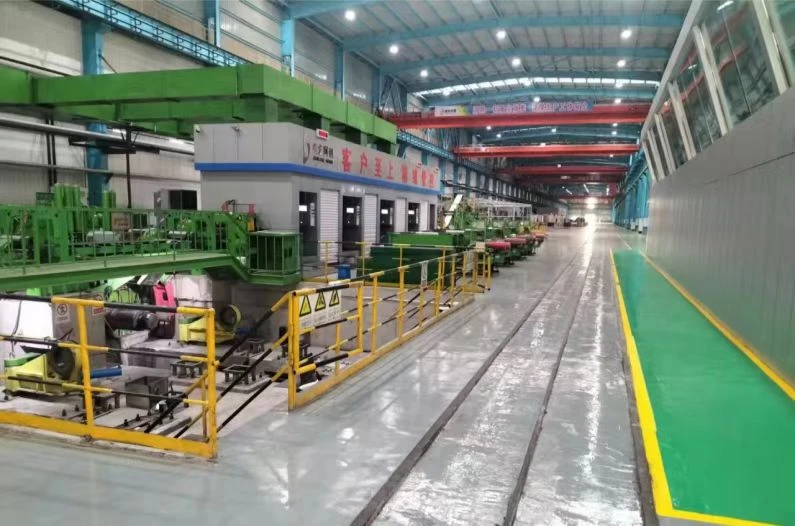
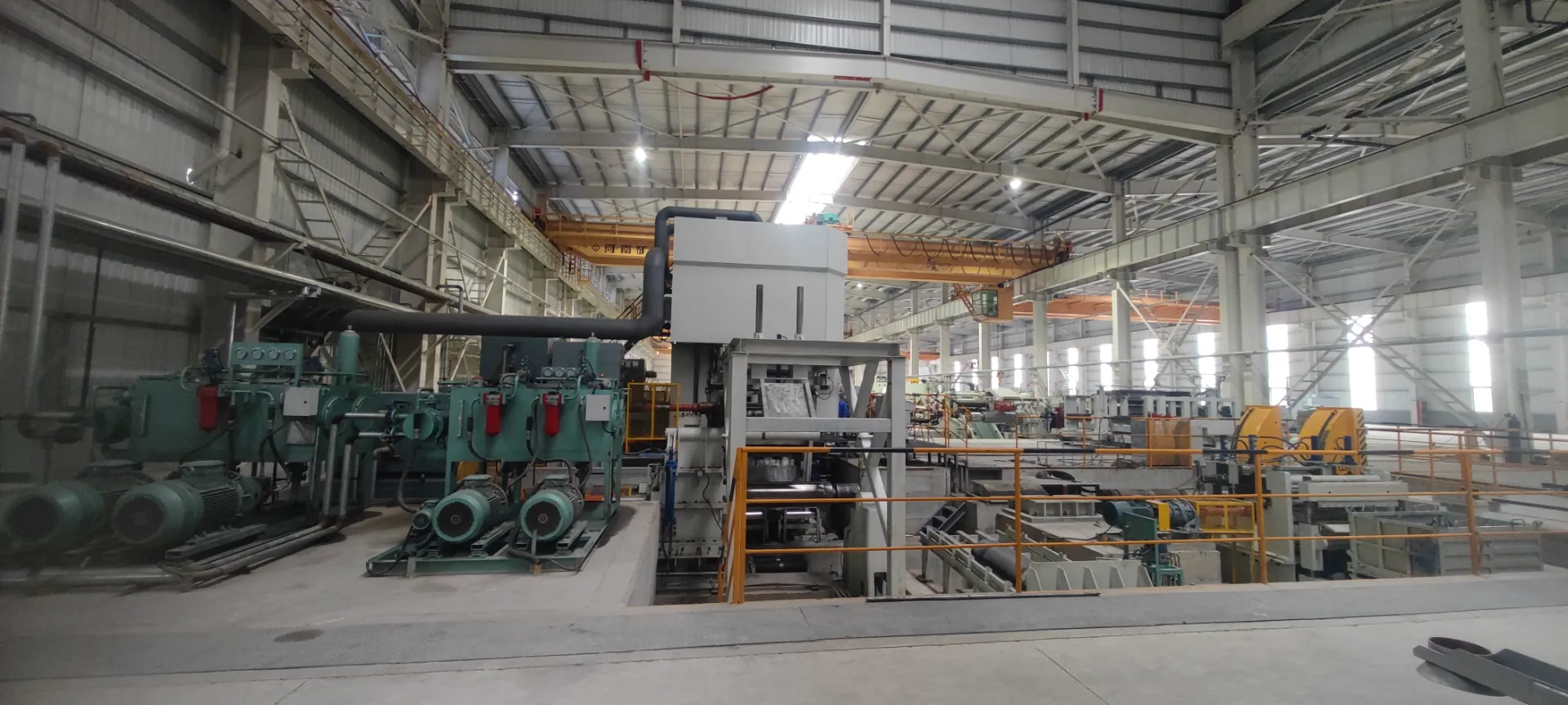
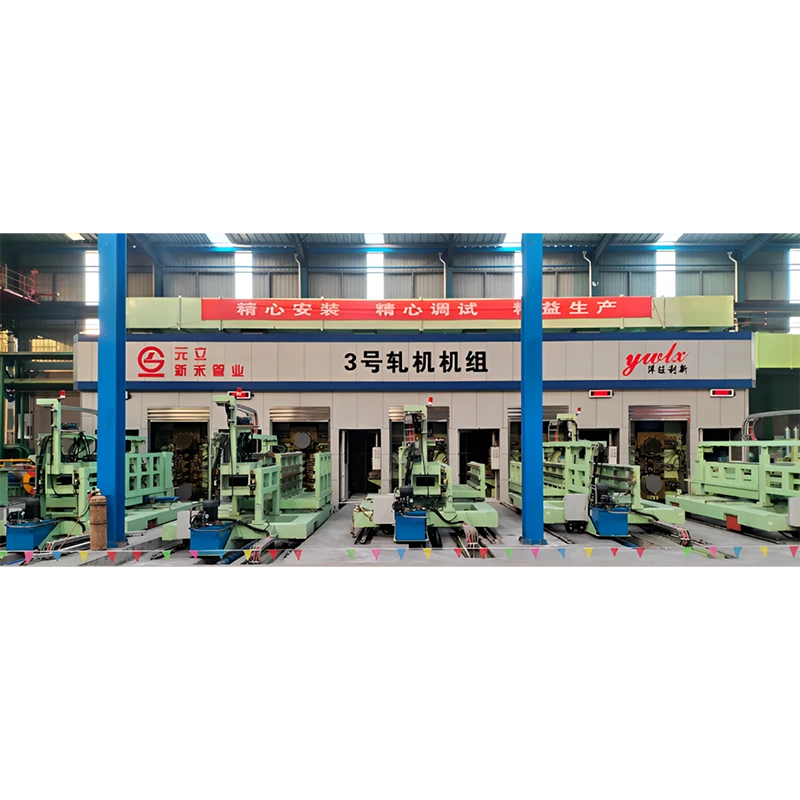
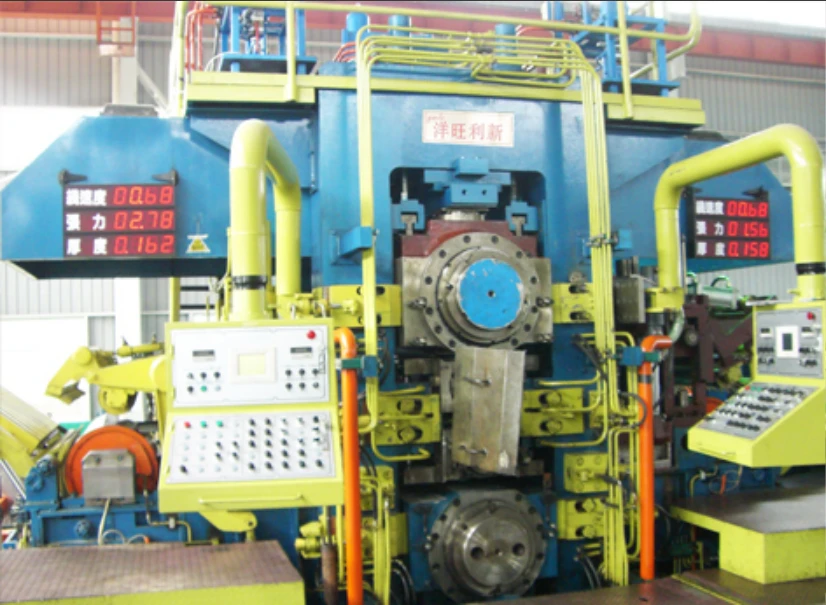
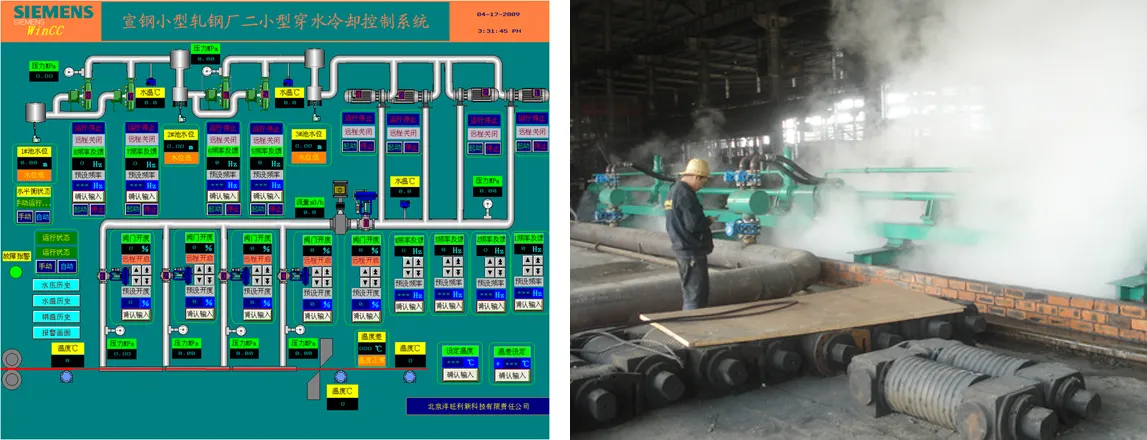
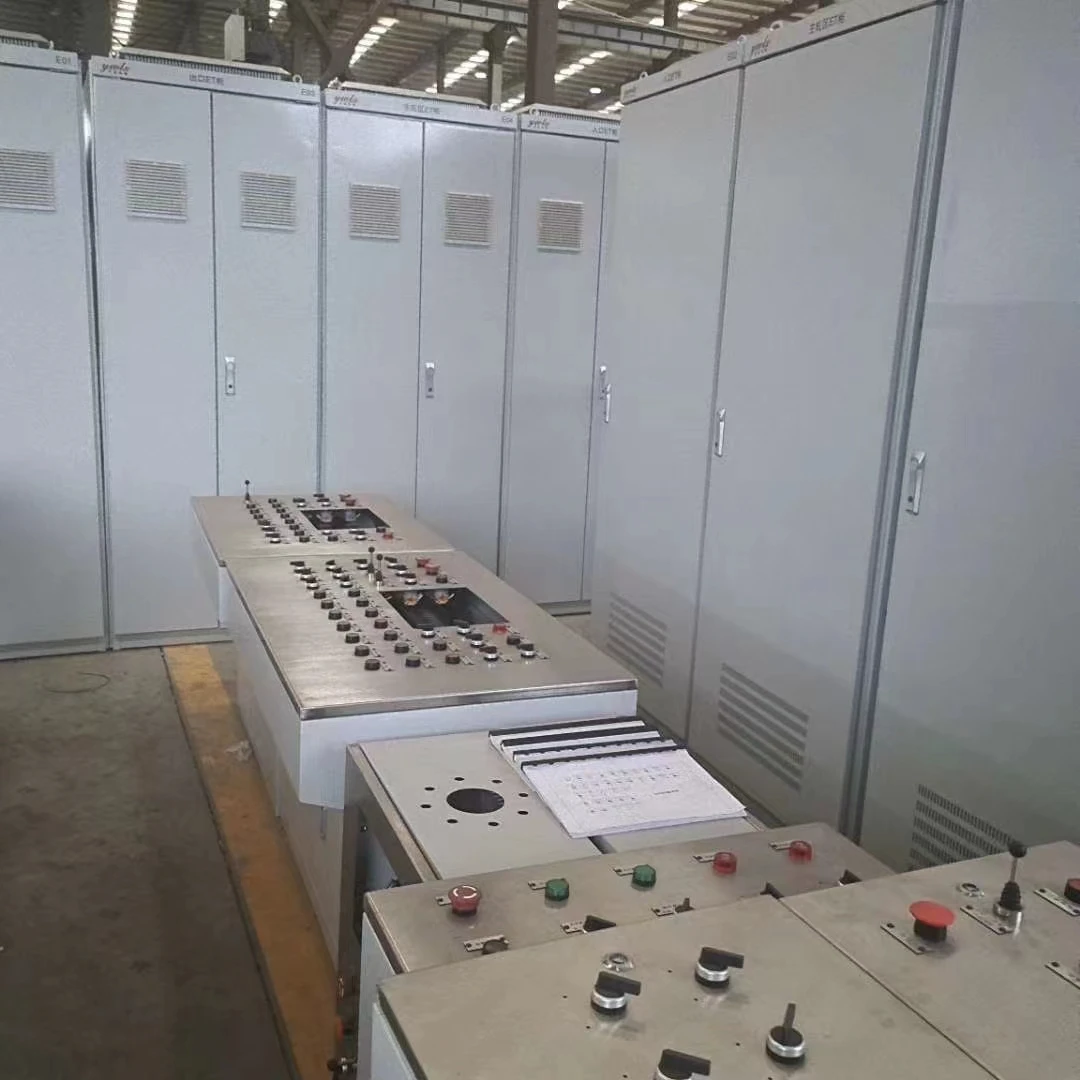
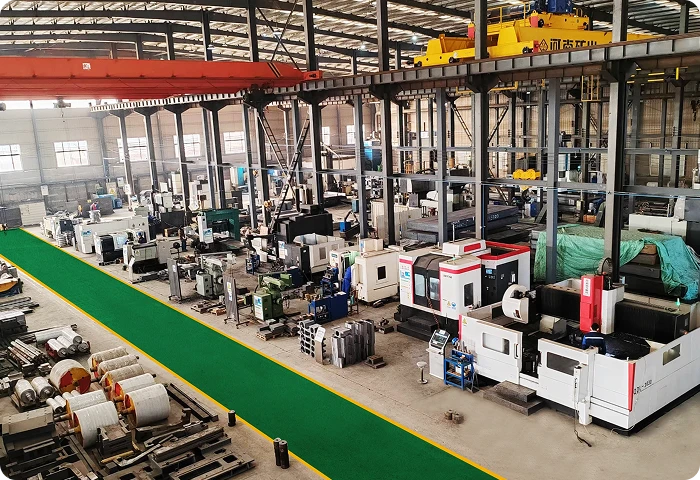
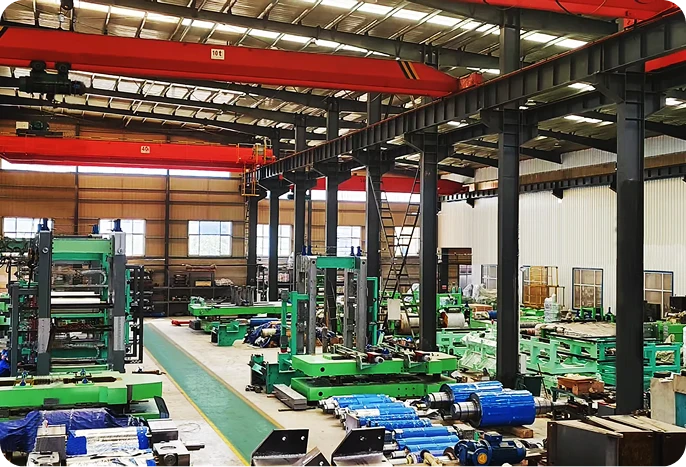
Yang Wang Li Xin operates a state-of-the-art facility over 66,000 square meters,and our manufacturing facility is fully equipped with high-tech machinery and high-capacity cranes. This enables us to handle large work pieces measuring 4.5m in width, 10m in length, and 1.5m in height, guaranteeing our capacity to produce 1800mm skin-pass mills and 1450mm rolling mills. The individual piece can weigh up to 100 tons.


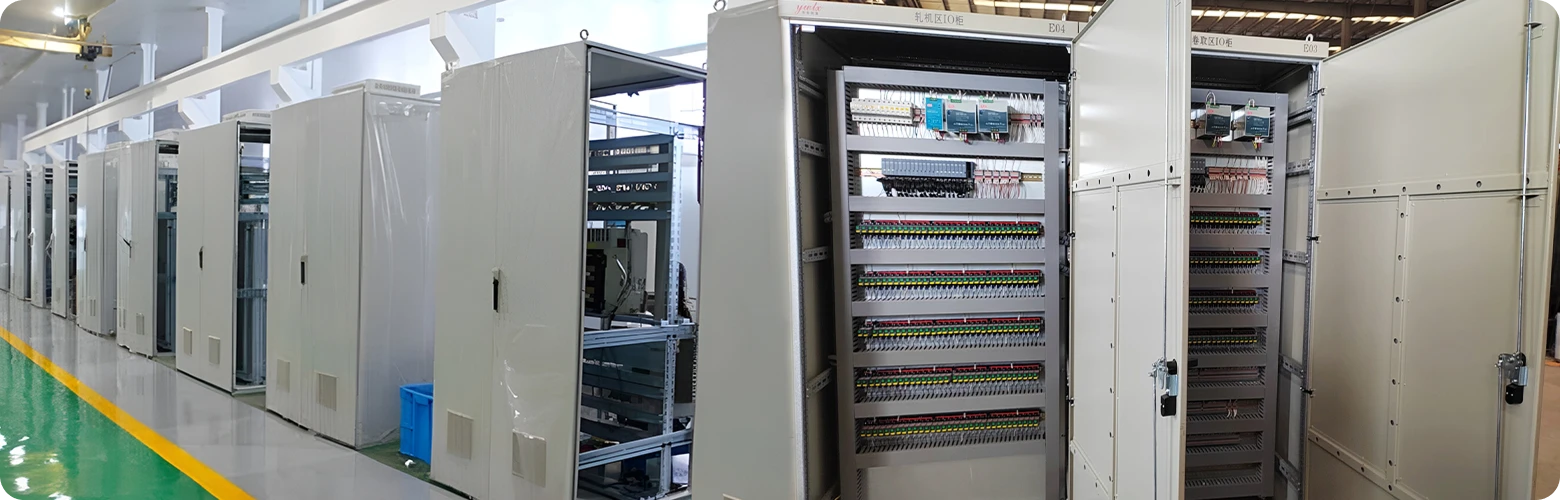
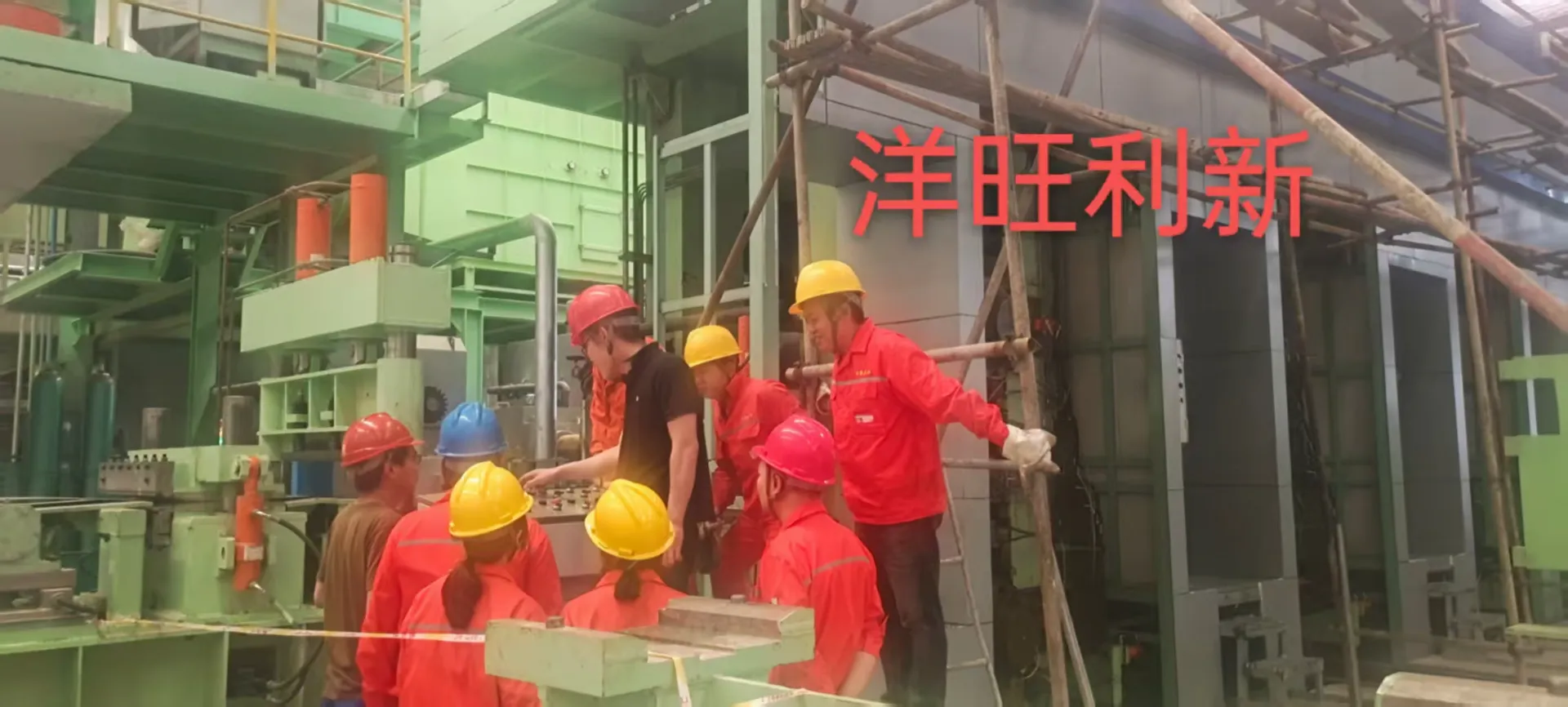
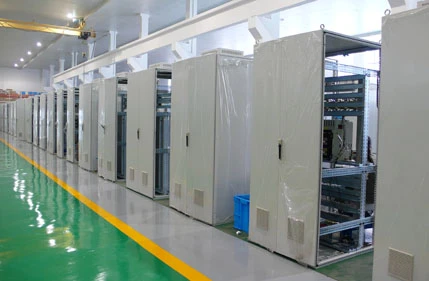
Quality is fundamental to the enterprise survival. We have established a comprehensive and meticulous quality management system and have successfully obtained ISO14000 certification. Starting from the design source, it supervises the entire production cycle, including design, procurement, processing, assembly, in-factory testing, installation, and online commissioning. The workshop is equipped with measuring tools like vernier calipers, spectrometers, hardness testers, and ultrasonic flaw detectors. They are used to check materials and control tolerances to ensure the final equipment meets or exceeds requirements. All products have a unique code, This enables the easy identification and traceability of the equipment components and ensures full control of quality.


-
 خط الإنتاج المتداول الساخن / الباردفي عالم الصناعة الحديثة، تلعب آلات الدرفلة الحديدية دورًا محوريًا في تحقيق الكفاءة والجودة العالية في إنتاج المعادن. تُعتبر هذه الماكينات من الأدوات الأساسية في تحويل كتل الحديد الكبيرة إلى منتجات ذات أشكال وأبعاد محددة تُستخدم في العديد من القطاعات كالبناء، والصناعات التحويلية، وحتّى في صناعة السيارات. تُصمَّم آلات الدرفلة الحديدية بآليات دقيقة تتيح لها العمل تحت ظروف ضغط وحرارة قاسية، مما يساهم
 -
 Hot Rolling Mill Technology: Process and Equipment InnovationsThe hot strip mill process represents one of the most sophisticated metal forming operations in modern metallurgy, transforming steel slabs into precisely dimensioned coils through carefully controlled thermal-mechanical treatment. Hot Rolling Mill Equipment Architecture Contemporary hot rolling mill equipment embodies decades of mechanical engineering refinement, combining brute force with micron
 -
 Advanced Water Quenching Process for Enhanced Material StrengthOptimizing Material Properties: An In-Depth Look at the water quenching process In metallurgical engineering, the water quenching process stands as a foundational heat treatment methodology crucial for achieving specific material properties, particularly hardness and strength. This critical thermal treatment involves rapidly cooling a heated metal workpiece by immersing it in water, or a water-bas


